
WINONA, Minn — The chief executive at the 49-bed Winona Health hospital, Rachelle Schultz, painted a bleak future for small and rural healthcare if Congress goes ahead with proposed Medicaid reforms. Although Schultz didn’t mention President Trump by name, it is his proposal that would shift Medicaid funds to finance tax advantages he’s promised rich people. Schultz is worried. About Winona Schultz was specific:
> 20% of Winona Health revenue is from Medicaid, which although less than costs it nonetheless is some revenue.
> Winona County, poulation 51,000, has 8,000 people enrolled in Medicaid. Nearly half are children, parents of those children, low-income working families, elders, veterans, and folks with disabilities.
> 80% of the babies born at Winona Health are to moms on Medicaid.
> 70% of the residents in the Winona Health nursing home are on Medicaid.
“My organization has a negative operating margin — and we are burning down our cash,” Schultz said. “While we have made post-CoVid progress year over year to reduce these losses, we now face the new Medicaid cuts with nowhere to absorb them.” In 2024, This not only a pending Winona crisis, she said: Medical assistance covered 1.3 million Minnesotans — 22% of our entire state population. “We know these people as our neighbors, coworkers, and patients. They are children, people with disabilities, elders, veterans, low-income working families. These are people for whom Medicaid provides a level of safety.” Minnesota, she noted, has built one of the lowest uninsured rates in the country — 3.8%, an historic low,” she said. “All of that progress is at risk.” She said. She quoted state government data:
> 140,000 Minnesotans are projected to lose health coverage.
> $1.4 billion may be lost in federal Medicaid funding over the next four years.
> $385 million is projected as the uncompensated care by hospitals by 2027.
“The magnitude of change coming under the proposed Medicaid puts my hospital, all rural hospitals, and effectively all Minnesota hospitals, in a precarious position.,” Schultz said.” Minnesota has been a leader in healthcare for a very long time. We are in uncharted waters right now.” She listed three provisions in the proposed cuts that will do most of the harm in Minnesota:
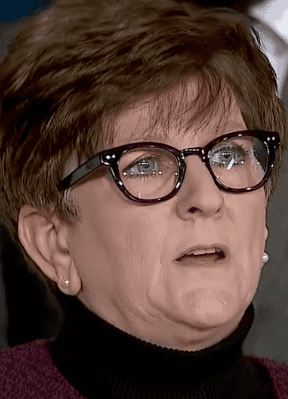
Schultz. Chief executive at Winona Health since 2002. Career includes 30 years in rural medicine.

“Uncharted waters ahead.” Like small hospitals everywhere Winona Health faces uncertainties if proposed Medicaid cuts are accepted by Congress, says Rachelle Schultz, the hospital-clinic’s chief executive. She spoke at the state Capitol.
Winona Health profile
Winona Health’s has roots in 1894 when local citizens and physicians raised $4,500 to remodel the Langley mansion at Fifth and Main streets into the 18-bed Winona General Hospital. Today with 1,000-person payroll, Winona Health is one of Winona’s largest employers. Besides the hospital, Winona Health operates a 24/7 emergency room, a 110-bed long-term care facility, a 60-apartment assisted living community, two 10-room memory care living facilities, hospice homecare, a multi-specialty clinic in Winona, a physician-staffed clinic 30 miles away in Rushford, an orthopedic clinic, inpatient and outpatient mental health services, rehabilitative physical and occupational therapy, cardiac rehabilitation, inpatient and outpatient surgery, dialysis, retail pharmacy, and ambulances. Winona Health has been rated one of the Top 100 U.S. rural and community Hospitals by the Chartis Center for Rural Health four years in a row.
> Work requirements, effective on 2026: Expansion for adults must document 80 hours per month of work, volunteering, or school — and prove it — before they even apply. At least 243,000 Minnesotans on Medical Assistance are subject to this requirement. Research shows 91% of folks on Medicaid already work, are caregivers, or have health limitations.
> Six-month eligibility re-checks, effective in 2027): This new frequency doubled must be done every six months. Paperwork would double. Chances increase for someone being cancelled due a missed deadline or lost paperwork.
> Payment caps, phasing in through 2028: States would be required to cap their reimbursement rates to health are facilities at Medicare rates. In Minnesota this would be $1 billion per year, she said. It’s incorrect to view state funds as windalls or in some way addressing federal costs to run Medicaid, said Schultz: : “These are revenue streams that keep hospitals, especially rural hospitals, financially viable.”