
JACKSONVILLE, Fla. – The sports merchandise company Fanatics bought Winona-based WinCraft. Terms were not announced, but Fanatics recently raised $350 million for acquisitions. The deal gave Fanatics a valuation of $6.2 billion. The valuation of WinCraft may be even higher with licensing rights to produce promotional gear for more than 700 colleges and professional leagues, including all championship events, and for the Olympics. In announcing the deal, Fanatics said it would maintain existing WinCraft offices and plants WinCraft’s headquarters are in Winona, but there are manufacturing units in other locations — including Baraboo, Wisconsin; Claremont, Iowa; Eau Clarie, Wisconsin; Lakeville, Minnesota; and Woodinville, Washington.

Jacksonville. Founded 1995.

Winona. Founded 1961.
Fanatics profile
Wunderkid entrepreneur and investor Michael Rubin purchased 40% of women’s athletic shoe mnufacturer Ryka in 1995. Several deals later Ryka became the foundation of Fanatics. Rubin orchestrated partnership deals with more than 300 professional leagues, sports and teams. In 2012 Fanatics renvented itself from a domestic e-commerce company into a new breed of retailer – part tech company, part manufacturer, part logistics company, part wholesaler and part e-commerce retailer. Fanatics went global in 2016, acquiring the British based online retailer Kitbag with its global imprint in soccer. Fanatics has manufacturing and fulfillment hubs in Canada, Germany, Honduras, Hong Kong, India, Japan and Spain.
WinCraft profile
WinCraft was founded in 1960 as a Winona manufacturer of pompoms, buttons and bumper stickers for secondary schools around the area. Dick Pope joined the company in 1979 after moving up the career ladder at Minneapolis-based Jostens, which made jewelry like class rings for high schools and also championship rings for sporting events. Over the next several decades, WinCraft moved from low-end pompoms into lucrative licensing rights to the National Football League, Major League Baseball, the National Hockey League, the National Basketball Association, the National Collegiate Athletic Association, Major League Soccer NASCAR and Indy Car racing, the Women’s National Basketball Association, and Professional Bull Riding. By 2018 WinCraft secured the rights to the Disney and Star franchises.
The players
Dick Pope. Founder of WinCraft. He becomes a senior adviser at Fanatics pending his retirement.
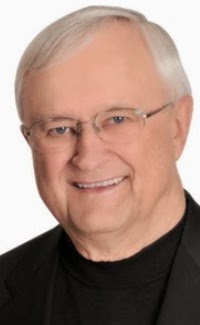
John Killen: Current WinCraft president and chief executive. He becomes a Fanatics senior vice president and retain his title as president of WinCraft.

Scott Shuler. Chief of Fanatics’ hardgoods division. Also president of the Top of the World headwear division.

Molly Adams. Fanatics’ new executive vice president, chief integration and transformation officer. Recently president of Famous Footwear. Both Killen, of WinCraft, and Schuler, of Top of the World, report to her.

Michael Rubin. Executive chairman of Fanatics. Also part of the Philadelphia 76ers ownership group, which is run by Apollo Global Management co-founder Josh Harris and partner David Blitzer.
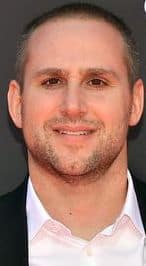
Questions and answers
Are jobs safe at WinCraft? Fanatics said it plans maintain the current roster of WinCraft employees. Here are excerpts from Fanatics’ announcement of the acquisition: “Integrating WinCraft’s hard-goods manufacturing expertise, inventory and 500-plus employees into our Fanatics Brands division adds more capabilities to our vertical business. Current operations will be retained in Winona. WinCraft’s offices in Iowa and Florida also will be added to Fanatics’s corporate footprint. The decision to keep the current team of executives and employees is said to “ensure the continued growth and success of this legendary 60-year-old brand.
Will WinCraft continue as a brand name? Yes, but structurally WinCraft will be a Fanatics division. An excerpt: “This integration will ensure that the trusted brand lives on and is positioned for continued growth.”
How did the acquisition come about? After being at WinCraft 41 years, Dick Pope was ready to move on. Several companies expressed interest in buying WinCraft. Pope saw Fanatics as a way forWinCraft to continue to grow and innovate in the licensed sports and product industry.
Any lessons from Fanatics’ acquisition of Top of the World? Some but with clear differences, says Fanatics. WinCraft is solid financially. In September, when Top of the World was acquired, it had fallen into liquidation. When it acquired Top of the World, Fanatics paid off the debt to the previous owner, Vetta Brands, and rehired roughly 200 laid-off employees.
What is the Top of the World story? It all started at a University of Oklahoma football game, where Pete Wilson started to sell his collegiate hats. Through the 1980s and 1090s, Top of the World grew and became ranked first in sales by the Collegiate Licensing Company. It moved out of a converted gas station to a 100,000 square foot warehouse in Norman, Oklahoma, with a nine-acre campus. The company expanded everything twofold to accommodate the growing and changing market. The company was making headgear for 600 colleges. With the disruption in sporting events because if the coronavirus pandemic, things went south. Two-hundred employees were laid off. To the rescue came Fanatics, which paid a reported $25 million to $50 million in liquidation proceedings.
What of Fanatics’ future? Like WinCraft, Fanatics is privately held. On Wall Street some investors say it makes sense for Fanatics to go public and sell stock to raise outside money for more growth. A company spokesperson told the television network CNBC, however, that an IPO “is not on our radar right now.” What is on the radar? The spokesperson said that Fanatics is focusing on the combined manufacturing capabilities of Top of the World and WinCraft. Working together with Fanatics’ bricks-and-mortar retail partners provides “a tremendous opportunity to grow the licensed retail space by providing consumers a one-stop-shop for apparel and non-apparel items both online and offline,” the spokesperson said.