
ISLE ROYALE, Minn. — One of the world’s longest-running wildlife field studies, which tracked wolf and moose populations on this Lake Superior island, has been interrupted by the coronavirus pandemic, according to the U.S. Fish and Wildlife Service. The research team gave up to avoid the virus, Superintendent Denice Swanke said. The winter-time researchers have always shared a single cabin that didn’t allow for social distancing. Also the border between Minnesota and Ontario was closed and supply flights were no longer reliable. Biologist John Vucetich of Michigan Tech said there will just be “a hole in the data that nothing can be done about.” Since 1959 the researchers have produced annual reports about the wolves and moose that roam the island. The number of wolves has dwindled to 12 or 14. With fewer carnivorous wolves, the moose count has swelled to nearly 1,900, which presses how many can be supported on the 570,000-acre island. The research has helped determine how many wolves need to be transplanted to the island annually to sustain a balance.
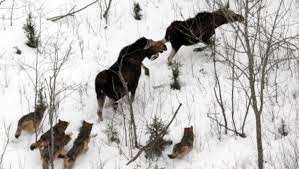
Wildlife crisis. Too many moose, too few wolves at Lake Superior national park. Image: U.S. Fish and Wildlife Service

Biologist Vucetich: 61-year research project now has gap.