
ROCHESTER, Minn. – Reports of bear sightings have been popping up on Rochester’s northeast outskirts. n response the Olmsted County Sheriff’s Office urge caution. These aren’t Teddy Bears. At the same time, there may not be an invasion. Bears are wanderers, going from trash bin to trash bin, stopping along their way at campgrounds, backyard bird feeders and an occasional beehive. They easily can roam many miles a day. Sightings in Olmsted and Wabasha counties may be only one animal. Some years ago the movement of one black bear in Winona County was mapped by the sheriff from calls about overturned trash bins. In the past couple decades there have been occasional sightings in Wisconsin as far south as the Trempealeau River drainage near Fountain City. While black bears are common in northern Minnesota, they rarely make it south of Interstate 94, In the spring young males Up North are often run off by nature males and wander alone and somewhat lost, albeit occasionally as far south as Minnesota River woodlands in the south Minneapolis suburbs. They’re not human predators by nature, but they are strong and can outrun a person if threatened or distressed. They are strong and their claws long and sharp. So too their teeth.
Earlier: Golfers retreat after bear on fairway
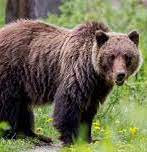
Black bear. Few natural enemies.
Black bear profile
Adult males average 190 pounds, females 130. They are much smaller than grizzlies, which haven’t existed in Minnesota since the mega-expansion of human settlement in the late1800s. The state Natural Resources Department estimates 12,000 to 15,000 black bears live in Minnesota. They tend to live in dense forests but like swamps for water and bathing. True to their name, most are black but a few are brown. They are excellent swimmers and climb trees.